
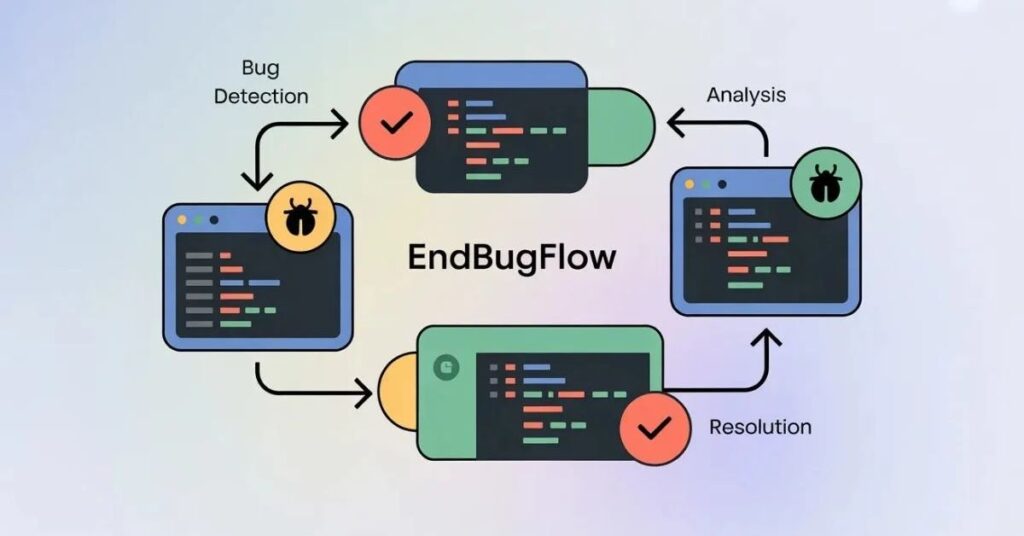

Modern software development moves fast, and even small coding errors can cause big problems if they aren’t tracked and fixed quickly. That’s where bug tracking and workflow automation tools come in. One question many developers and teams ask is how does EndBugFlow software work and why it’s becoming a popular solution for managing development issues.
In simple terms, EndBugFlow software works by detecting, tracking, organizing, and managing software bugs through an automated workflow system. It helps development teams identify issues, assign them to the right team members, monitor progress, and ensure that every bug is fixed before a product is released.
Instead of relying on manual tracking or scattered communication, EndBugFlow centralizes everything in one platform. This makes debugging faster, improves collaboration, and ensures higher software quality.
What Is EndBugFlow Software?
Before understanding how does EndBugFlow software work, it’s important to understand what the platform actually does.
EndBugFlow is a software development tool designed to manage bug tracking, issue reporting, and development workflows. It helps teams monitor errors in applications and organize tasks needed to resolve them.
The platform is commonly used by:
- Software developers
- QA testers
- DevOps teams
- Product managers
- Tech startups and development agencies
Its main goal is to streamline the bug detection and issue management process so that teams can focus on improving their software.
How Does EndBugFlow Software Work?
Understanding how does EndBugFlow software work becomes easier when you break the system into several key stages.
1. Bug Detection and Reporting
The first stage is identifying software bugs.
EndBugFlow can capture bugs through:
- Manual bug reports from testers
- Automated error detection
- Application logs
- Crash reports
- User feedback
When a bug is discovered, the system automatically records important details such as:
- Error message
- Time of occurrence
- Environment information
- Device or browser used
- Steps to reproduce the issue
This ensures that developers have all the information they need to fix the problem.
2. Automatic Issue Creation
Once a bug is detected, EndBugFlow automatically converts the issue into a trackable ticket.
Each ticket usually includes:
- Bug title
- Detailed description
- Priority level
- Assigned developer
- Status updates
- Attached screenshots or logs
This structured ticket system prevents bugs from being lost or ignored during the development process.
3. Workflow Automation System
A major reason developers ask how does EndBugFlow software work is because of its powerful workflow automation.
EndBugFlow automates several steps in the debugging lifecycle:
- Bug detection
- Issue ticket generation
- Task assignment
- Progress tracking
- Testing verification
- Bug closure
Teams can customize workflows based on their development process. For example:
- High-priority bugs may go directly to senior developers.
- UI bugs might be routed to front-end teams.
- Security bugs can trigger urgent alerts.
Automation helps reduce delays and improves overall efficiency.
4. Team Collaboration and Communication
Bug fixing is rarely a one-person task. EndBugFlow includes collaboration tools that allow teams to work together effectively.
Some common collaboration features include:
- Comment threads on bug tickets
- Real-time notifications
- Team tagging (@mentions)
- File sharing for logs and screenshots
- Integration with communication tools
This centralized communication keeps developers, testers, and managers aligned throughout the debugging process.
5. Bug Tracking Dashboard
Another key part of how EndBugFlow software works is its dashboard system.
The dashboard provides a real-time overview of all issues within a project.
Key metrics often include:
- Total bugs detected
- Open vs closed issues
- High-priority bug alerts
- Developer workload distribution
- Average bug resolution time
This data helps project managers understand where problems occur and how efficiently the team is resolving them.
Key Features of EndBugFlow Software
To fully understand how does EndBugFlow software work, it’s useful to look at the core features that power the platform.
Bug Tracking System
EndBugFlow provides a centralized system where all software bugs are recorded and monitored. This eliminates confusion caused by scattered reports or emails.
Automated Workflow Management
The system automates repetitive tasks such as assigning bugs, updating statuses, and sending notifications.
Integration With Development Tools
EndBugFlow can integrate with other development tools such as:
- Version control systems
- CI/CD pipelines
- Project management platforms
- Code repositories
These integrations help connect bug tracking directly with the development lifecycle.
Real-Time Notifications
Team members receive alerts whenever:
- A bug is assigned to them
- A ticket status changes
- A new issue is reported
- A bug is resolved or reopened
This keeps everyone informed without constant manual updates.
Data Reporting and Analytics
EndBugFlow includes analytics tools that track development performance, including:
- Bug resolution speed
- Most common bug types
- Team productivity
- Software stability trends
These insights help companies improve their development process over time.
Benefits of Using EndBugFlow
Now that we understand how does EndBugFlow software work, let’s look at the benefits it provides.
Faster Bug Resolution
Automated tracking and clear reporting help developers identify and fix problems quickly.
Improved Team Collaboration
All communication related to bugs happens in one place, reducing confusion and delays.
Better Software Quality
By ensuring every issue is tracked and resolved, EndBugFlow helps maintain higher software stability.
Efficient Project Management
Managers can monitor bug progress, team workload, and project timelines from one dashboard.
Reduced Development Costs
Catching bugs early prevents expensive fixes later in the development cycle.
Who Should Use EndBugFlow Software?
EndBugFlow is useful for a wide range of development teams.
It works particularly well for:
- Software development companies
- Mobile app developers
- Web development agencies
- SaaS product teams
- Quality assurance departments
Any team that builds digital products can benefit from a structured bug tracking system.
Common Workflow Example
To better understand how does EndBugFlow software work, here’s a simple example of a typical bug workflow.
- A tester finds a bug in a mobile app.
- The issue is reported inside EndBugFlow.
- The system generates a bug ticket automatically.
- The ticket is assigned to the appropriate developer.
- The developer fixes the issue and updates the ticket.
- QA tests the fix to confirm it works.
- The ticket is marked as resolved.
This structured process ensures that no bug slips through the cracks.
READ MORE: ETSJavaApp Release Date: Latest Updates, Features & Details
Best Practices for Using EndBugFlow
To get the most out of the platform, teams should follow some best practices.
Use Clear Bug Descriptions
Always include:
- Steps to reproduce the bug
- Expected vs actual results
- Screenshots or logs
Prioritize Issues Properly
Not all bugs are equal. Label them based on severity:
- Critical
- High
- Medium
- Low
Maintain Regular Updates
Developers should update ticket statuses regularly so managers can track progress accurately.
Analyze Bug Reports
Use the analytics dashboard to identify patterns and recurring issues.
FAQs
What does EndBugFlow software do?
EndBugFlow is a bug tracking and workflow automation platform that helps software teams detect, organize, and fix bugs efficiently during development.
Is EndBugFlow only for developers?
No. While developers use it frequently, QA testers, project managers, and DevOps engineers also rely on it to manage software issues.
Can EndBugFlow integrate with other tools?
Yes. Most bug tracking platforms, including EndBugFlow, support integrations with development tools such as version control systems and CI/CD pipelines.
Is EndBugFlow suitable for small teams?
Yes. Small development teams can use it to organize bug reports and manage workflows more efficiently.
Does EndBugFlow improve software quality?
Yes. By ensuring bugs are tracked, prioritized, and resolved properly, EndBugFlow helps improve overall product stability and reliability.
Conclusion
Understanding how does EndBugFlow software work reveals why modern development teams rely heavily on bug tracking and workflow automation tools. EndBugFlow simplifies the entire debugging lifecycle — from detecting issues to assigning tasks and verifying fixes.
By centralizing bug reports, automating workflows, and improving team collaboration, the platform helps teams build more reliable software while reducing development delays.
For organizations that want to streamline their development process and maintain high product quality, tools like EndBugFlow can become an essential part of the software lifecycle.
If you’re involved in software development, exploring bug tracking platforms and workflow automation tools can dramatically improve the way your team handles issues and delivers stable applications.